



When the grid fails
Introduction
The debate in Sweden about power shortages is raging like never before. The Swedish electricity grid has never faced such challenges as it does now, and we are getting ever closer to breaking point. Perhaps you have read about factories in Skåne that cannot be built, or in Uppsala, where new properties have to queue to be connected to the electricity grid?
Other contributing factors include SVT’s series Nedsläckt Land and the increasingly unstable global situation. All of these, together with people’s desire to be self-sufficient and independent, are driving both technological development and the number of installed systems.
More and more Swedes are getting solar panels, and interest in investing in battery storage at the same time is also growing. What many people do not know is how a battery storage system can be used with the chosen inverter. Many are not even aware that the solar installation’s inverter shuts down if the voltage from the grid is lost. People are often frustrated that they did not understand the limitations of their system, and end users are often disappointed that a system as complex as a solar installation cannot operate off-grid.

Today’s post on Senergia’s technology blog will therefore cover what you need to know to have a solar PV installation that can operate off-grid when the electricity grid fails! Note that we’ll cover completely off-grid systems, for example for a caravan or charging a mobile phone in the countryside, in another blog post.
Let’s start at the beginning and go through what you need for your solar PV installation to be both grid-connected and capable of operating off-grid.
- Solar panels
An obvious necessity, as the system needs some form of energy source. Small-scale wind power may also be a possible solution. - Inverter
The inverter must support both grid-connected operation and islanded operation—in other words, it must be a hybrid inverter. - Battery storage
The energy storage system usually consists of lead-acid, lithium-ion or nickel-metal hydride batteries. The larger the energy storage capacity, the longer you can operate off-grid. - Grid isolator
An automatic or manual switch that ensures no voltage “leaks” into the electricity grid when the property is operating in island mode. This is to protect any service personnel repairing the grid. - Own earth electrode
When the electricity grid is disconnected, you lose your connection to the grid’s earth. This means you need your own earth electrode (for example, an earth rod) to handle any fault currents and ensure that fuses can blow.
What solutions are available?
In the following section, we will look at the off-grid solutions offered by various manufacturers. We will cover both what is currently available on the market and what is yet to come!
Fronius
Fronius has had its hybrid inverter on the market for several years. For those of you who follow Senergia’s technology blog, their latest addition, Gen24, is nothing new. (Feel free to read post 7).
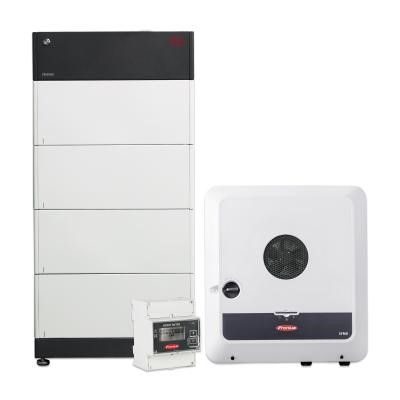
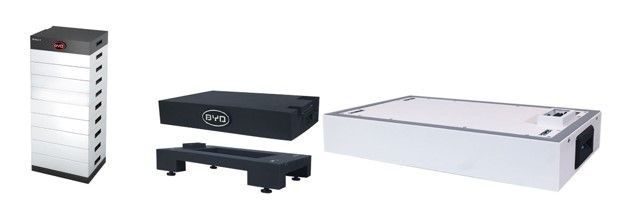
Both Fronius Hybrid and Gen24 are compatible with BYD's modular battery system. The batteries fit together like Lego bricks and stack on top of each other to a total of 12.8 kW, with each module holding 2.56 kWh.
If you're particularly interested, there are two videos to watch:
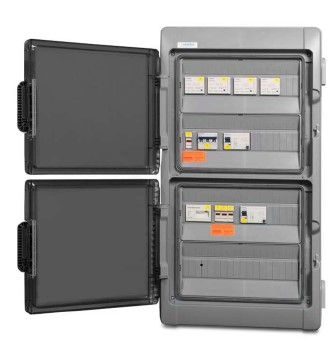
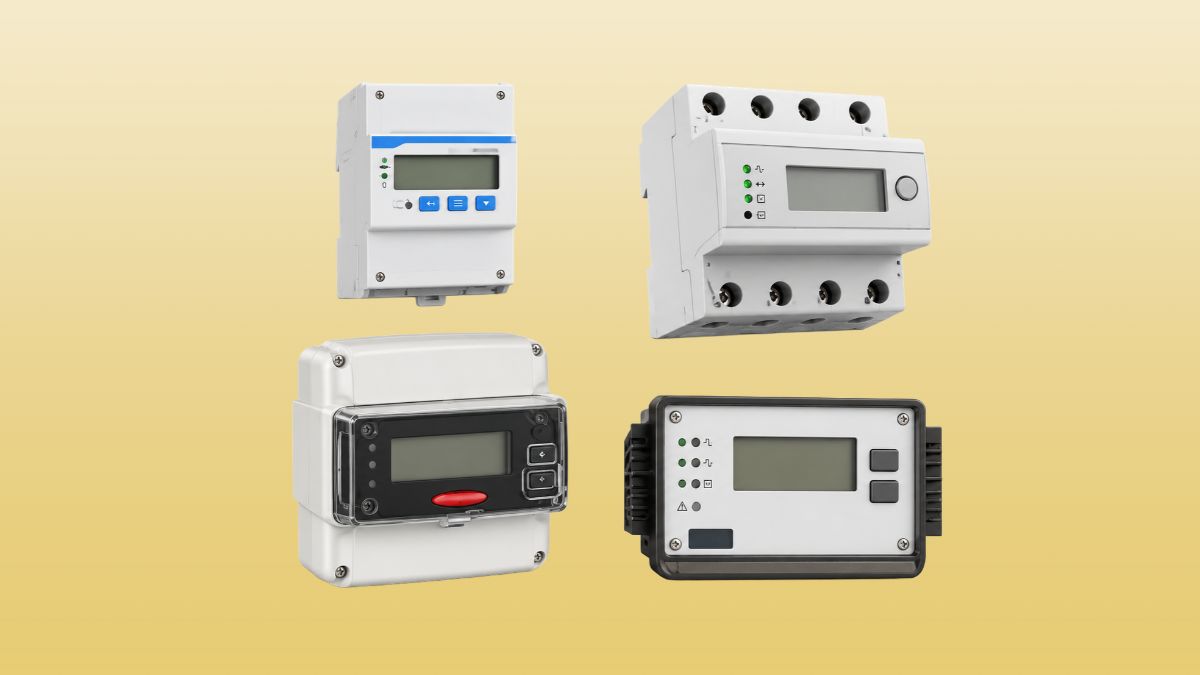
Senergia’s supplier Enwitec has also developed a connection box with the Fronius smart meter pre-installed together with the grid disconnection unit. This makes it extremely easy to install and meets the requirements for safe disconnection.
Ferroamp
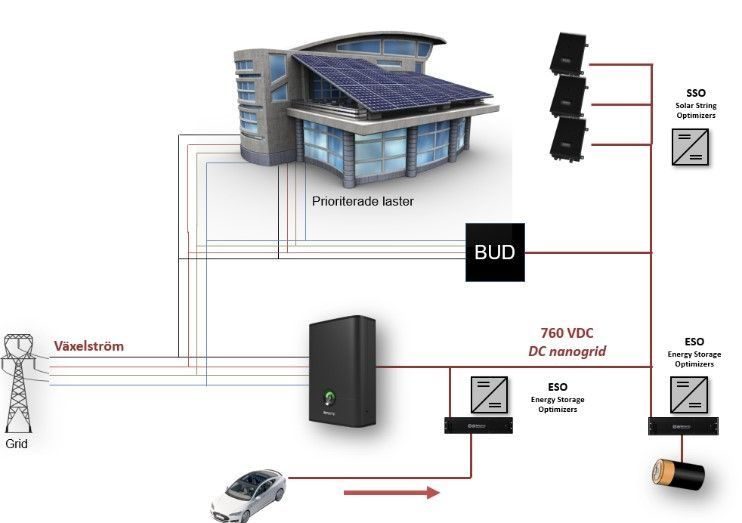
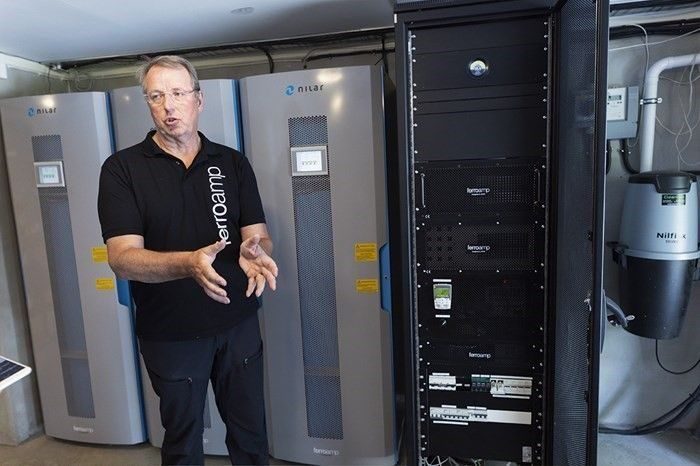
Ferroamp is developing an off-grid solution for its Energy-Hub system. The product has the working name BUD (back-up device) and is currently being tested at two sites: a house outside Stockholm (see LINK) and a chicken farm in Norway. A Ferroamp Energy Hub cannot currently operate off-grid, but this will be possible with a future upgrade incorporating BUD. No launch date has been set yet. Senergia will announce when the product becomes available!
The Ferroamp system is scalable! This means that you can expand it with inverter capacity, add more batteries (of a different chemistry, age or capacity), add V2G capability using DC chargers for electric vehicles, and run priority loads from the DC grid during power cuts. This means the system will be suitable for both smaller installations and larger industrial applications!
Why only priority loads, you might ask? It is the most logical and cost-effective approach, as living as usual while off-grid would require incredibly large battery storage. BUD will be able to draw energy from solar panels, battery storage or DC-charging electric vehicles, with everything coordinated by Ferroamp’s Energy Hub!
SMA
The German inverter manufacturer SMA has delivered over 120,000 units of its Sunny Island off-grid inverter! It is scalable from a small single-phase system to use in larger clusters.
For the SMA Sunny Island to be used in three-phase applications, 3 inverters must be used (because they are single-phase). The system is then scalable in multiples of three and has proved successful for both small installations and systems of up to hundreds of kilowatts.
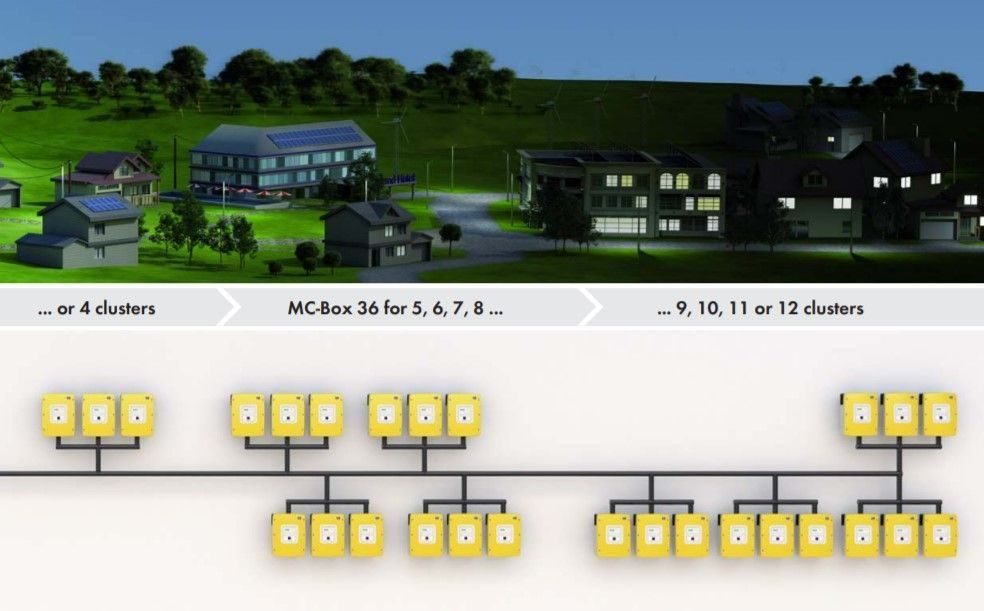
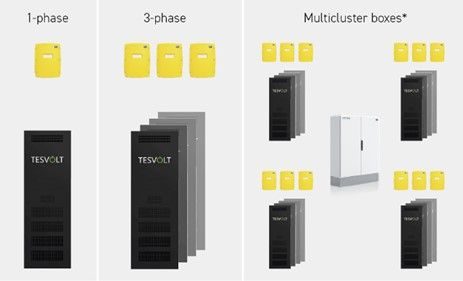
SMA Sunny Island is compatible with around 15 battery manufacturers worldwide.
Since the inverter is based on 48-volt batteries, several battery chemistries can be used, such as lead-acid or lithium-ion.
Need help finding the right option?
We know it isn’t always easy to know which product or solution is best suited to you. Whether you have questions about our range, need guidance or would like help finding a solution that suits your particular needs, we’re here for you. With our knowledge and experience, we’ll help you make the right choice.
Related posts
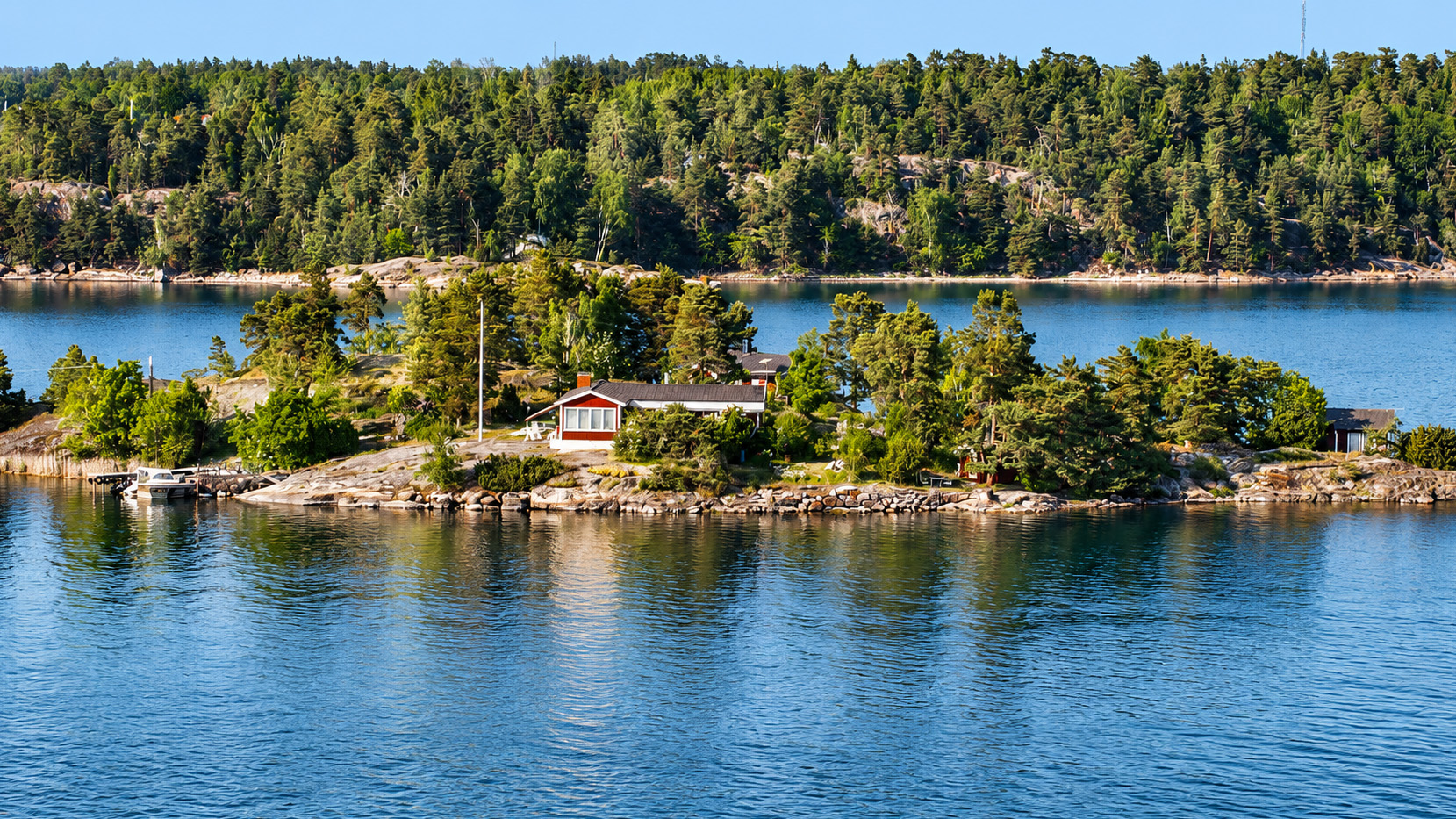
Island mode in practice
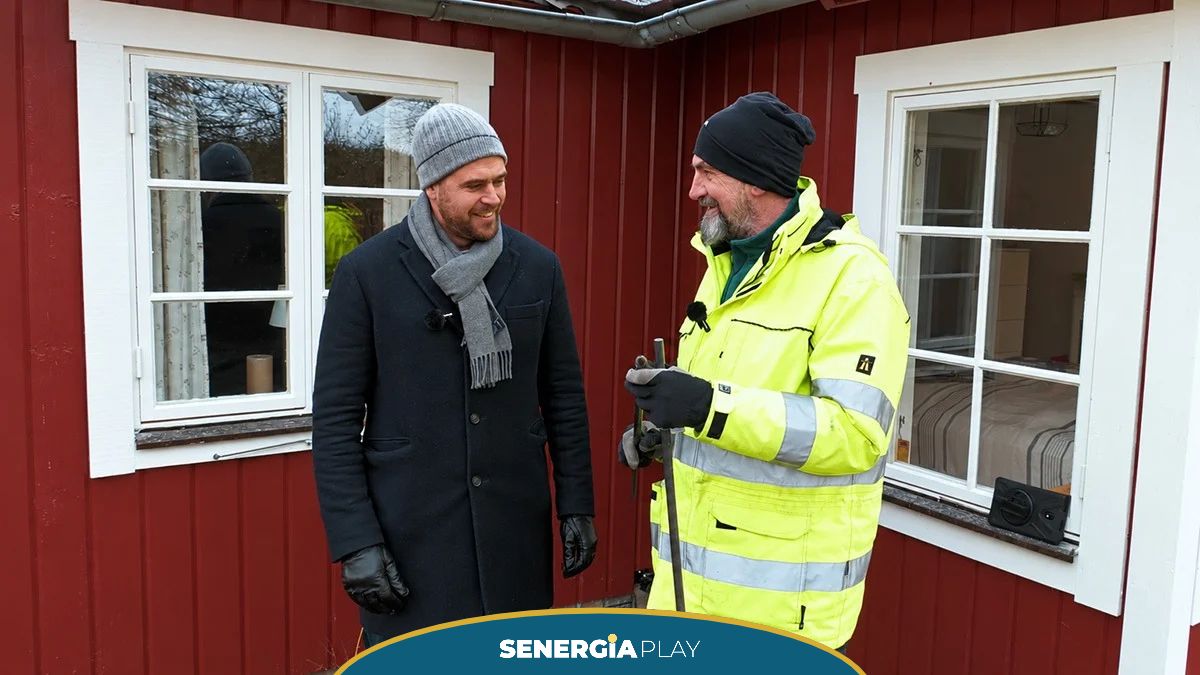
How do you install an earth electrode and set up off-grid operation – with Richard Nyberg