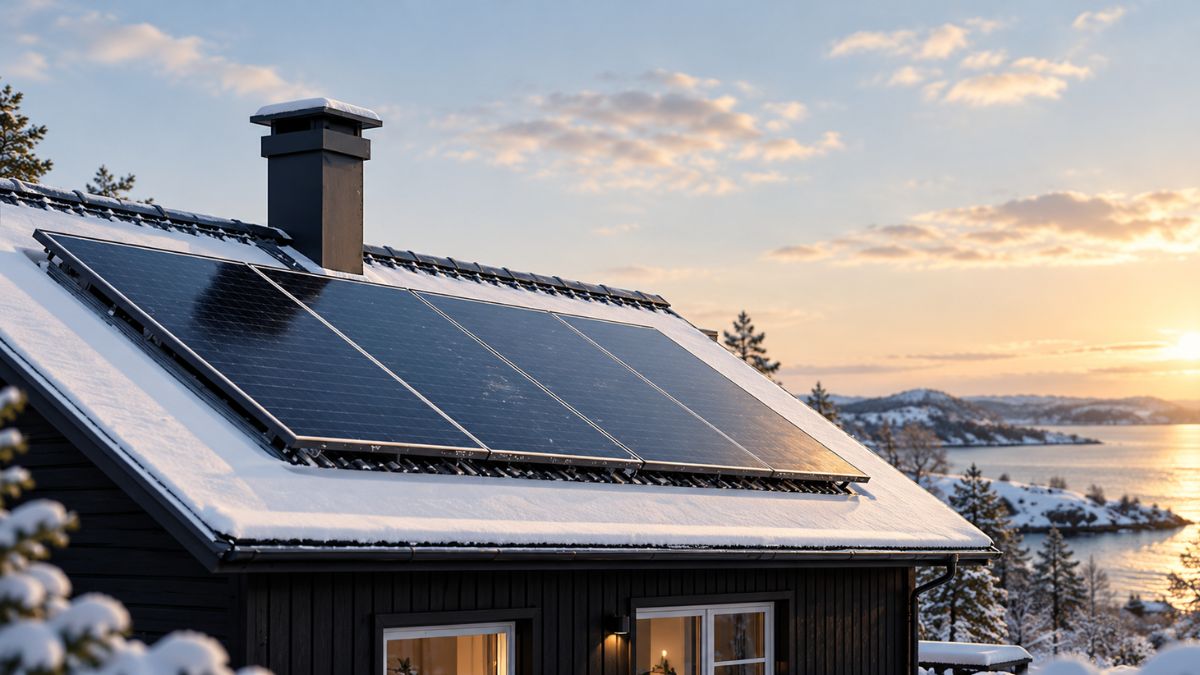




What will happen to the price of solar panels and batteries in autumn 2026?
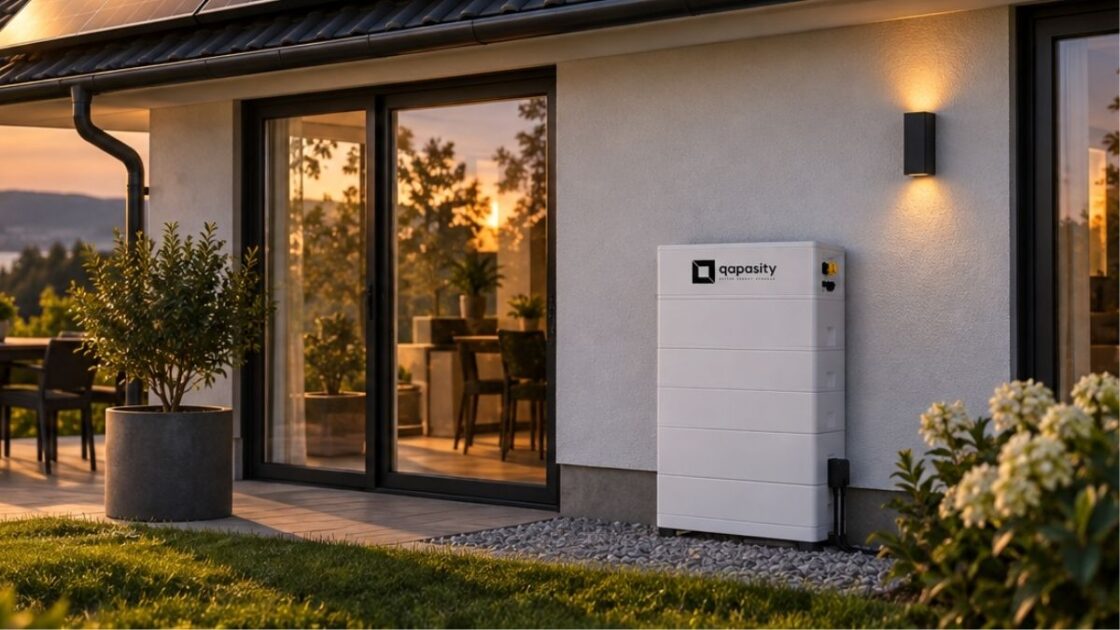
What happens when the world’s cheapest energy technology is no longer on sale?
Over the past few years, we have become used to an almost unbelievably favourable price trend for solar panels and batteries. Overcapacity in China, fierce competition and political incentives have pushed prices down to levels that few in the industry thought could be sustained in the long term. But in autumn 2026, the market landscape may begin to change again.
In my previous posts, I have written about how changes in Chinese industrial policy, export conditions and raw material prices affect Swedish installers – often faster than you might first think [1,2]. What were then clear signals have now become a question for every quote, every purchase and every investment decision: have prices for solar panels and batteries bottomed out?
My short answer is yes – there is much to suggest that prices have stopped falling. But that does not mean Swedish homeowners should wait and see. Quite the opposite.
Solar energy on a strong upward trajectory
Solar energy is no footnote in Europe’s energy system. It is a central part of the solution to electrification, energy security and the need for new generation close to where it is consumed. In its article about the threats to the solar success story, DI has described an industry where rapid expansion is running up against tougher market conditions, squeezed margins and political uncertainty [3]. This is an important European perspective to understand: strong growth does not automatically mean good profitability at every stage of the supply chain.
The same transition is evident in Sweden, but in our own way. The market has shifted from extreme growth to a considerably more demanding day-to-day reality. At the same time, battery storage has become increasingly important in customer deals, while installations of solar panels alone have slowed. Solar energy is also no longer just panels on the roof. It is a system encompassing generation, energy storage, EV charging, energy management and flexibility [4].
That is precisely why the question of prices matters. As the energy system becomes more complex, the purchase price of an individual panel becomes less decisive, while choosing the right product, getting the sizing right and timing the purchase correctly become more important.
The Chinese pendulum has swung
For many years, Chinese tax and VAT rebates, export incentives and industrial support have helped drive down solar panel and battery prices globally. This has fuelled deployment in China, while also enabling European buyers to purchase technology at exceptionally low prices.
The downside is that manufacturers have borne a very high cost. Fierce competition, overcapacity and falling demand have eroded margins. My previous analysis found that four major Chinese solar manufacturers together reported losses of around USD 1.54 billion in the first half of 2025 [2]. A system in which market leaders sell at or below sustainable margins cannot continue indefinitely.
China’s previously announced phase-out of export-related VAT rebates is therefore significant. For solar products, a full phase-out was announced from 1 April 2026, while battery products, according to the same information, were to be gradually phased down during 2026, with a full phase-out from 1 January 2027 [2].
At the same time, reports indicate that China is introducing a new, gradual tax on mature solar and battery technologies. This should be read as a scenario and monitored against final Chinese regulations and product classifications—not as a definitive price list for Swedish end customers.
| Period | Solar panels/solar cells | Batteries |
|---|---|---|
| Up to and including 31 August 2026 |
Tax-exempt under the previous rules | Tax-exempt under the previous rules, including lithium and vanadium redox flow batteries |
| 1 September 2026 to 31 March 2027 |
Tax exemption continues | 2% consumption tax for established battery types, including lithium-ion batteries |
| 1 April 2027 to 31 August 2027 |
2% consumption tax for conventional solar cells | 2% consumption tax for established battery types |
| 1 September 2027 to 31 March 2028 |
2% consumption tax for conventional solar cells | 4% consumption tax for established battery types |
| From 1 April 2028 |
4% consumption tax for conventional solar cells | 4% consumption tax for established battery types |
| 1 September 2026 to 31 December 2028 advanced technologies |
0% for perovskite, tandem and gallium arsenide cells | 0% for sodium-ion batteries, solid-state batteries and fuel cells |
The direction is clear, however: mature technologies may face higher costs, while China wants to continue favouring technology considered strategic and more advanced. For battery storage projects, this could in time create a cost advantage for technologies such as sodium-ion and solid-state, provided the products meet relevant Chinese standards and documentation requirements.
For Swedish buyers, this does not mean that a factory-level tax automatically results in an equally large price increase in Sweden. Currency exchange rates, shipping, storage, inverters, installation, competition and margins also have an impact. But when several cost drivers are pointing in the same direction — export terms, raw materials, recycling and manufacturers’ need for sustainable profitability — it is becoming increasingly difficult to believe in another major, general price drop.
Should Swedish homeowners wait before investing?
No. In my view, waiting solely in the hope of cheaper panels or batteries is the wrong focus.
According to the data cited by Claes Hemberg, electricity prices in 2026 have been significantly higher than the year before, while the number of hours with negative electricity prices has fallen sharply. In the first four months of the year, the number of hours with negative prices is said to have fallen from nearly 175 to 24 compared with the same period the previous year [5]. This changes the value of generating and using your own electricity, load management and energy storage.
For a homeowner with 15–20 panels, the cost of the panels is only one part of the total investment. Inverters, batteries, installation, labour, electrical work, design and servicing all carry significant weight. Even if panel prices were to rise by many tens of per cent from today’s low levels, the effect on the cost of the whole system would normally be considerably smaller than the headline suggests [2].
That is why the investment should be assessed based on the household’s actual energy costs: electricity region, annual consumption, peak demand, potential for self-consumption, a future electric car or heat pump, battery management and how long you intend to stay in the property. In a well-designed typical case, a payback period of around 7–9 years for solar panels with battery storage remains a reasonable working estimate in Sweden—but it is an estimate, not a promise. It should always be calculated using current prices, taxes, compensation and the circumstances of the specific property [4].
What should installers consider?
For installers, autumn 2026 is not the time to speculate about purchase prices continuing to fall. It is the time to reduce uncertainty.
Plan projects together with us at Senergia. Confirm product choices, availability and price trends well in advance. Price your quotes with clear validity periods and keep a particularly close eye on battery costs, as batteries are affected by more concurrent drivers than solar panels [2].
Place orders in good time once a project has been agreed. This does not mean everyone should build up excess stock or buy without a plan. It means professional players should secure their projects when they have a firm commitment from the customer, rather than basing their calculations on the assumption that the market will always be cheaper next month.
Our assessment is simple: the market looks more likely to get more expensive than cheaper. Installers who are transparent with customers, carefully manage their purchasing risk and deliver a complete energy solution are best placed to earn trust in the next phase of the market.
Summary
The fall in solar panel and battery prices has been exceptional. But exceptional price levels rarely create a stable market. As China shifts from primarily driving volume to also protecting profitability and rewarding new technology, the conditions are changing across the entire global value chain.
For solar panels, I expect prices to mainly normalise upwards from clearance levels. For batteries, the risk of rising prices is greater, as raw materials, recycling requirements, logistics, regulations and industrial policy all play a part.
Homeowners should not put their energy investment on hold while waiting for a price crash that may never come. Installers should not build their business on the assumption that it will always be cheaper to buy later. Autumn 2026 is less about chasing the lowest component price and more about building profitable, resilient and future-proof energy systems.
References
1] Ljunggren T. How will China’s new direction affect Swedish solar panel installers? An explanation and analysis. LinkedIn. Available at: https://www.linkedin.com/pulse/hur-påverkas-svenska-solcellsinstallatörer-av-kinas-nya-tim-ljunggren-nh0if/
[2] Ljunggren T. New developments in China affect the price of solar panels and batteries in 2026. LinkedIn. Published 10 January 2026. Available at: https://www.linkedin.com/pulse/nya-händelser-i-kina-påverkar-priset-på-solpaneler-och-tim-ljunggren-t7blf/ [3] Dagens industri. Threats to the solar success story. DI.se. Available at: https://www.di.se/nyheter/hoten-mot-solskenshistorian/ [4] Ljunggren T. Senergia’s incoming CEO Tim Ljunggren – This is where the energy industry of the future is being shaped. Senergia. Published 9 June 2026. Available at: https://senergia.se/nyheter/det-ar-nu-framtidens-energibransch-formas/ [5] Hemberg C. Where have the negative prices gone? Hemberg energi + ekonomi. Published 15 May 2026. Available at: https://claeshemberg.se/vart-ar-minuspriserna/ [6] Hemberg C. Expensive electricity this summer. Hemberg energi + ekonomi. Available at: https://claeshemberg.se/dyr-el-i-sommar-2/Note on the tax information: The table in section 3 is based on the information provided in the source material for this post. Before making decisions about purchases, project budgets or pricing, the information should be verified against official Chinese regulations, customs classifications and applicable product requirements.
Need help finding the right option?
We know it isn’t always easy to know which product or solution is best for you. Whether you have questions about our range, need guidance or would like help finding a solution tailored to your needs, we’re here for you. With our knowledge and experience, we’ll help you make the right choice.
Related posts
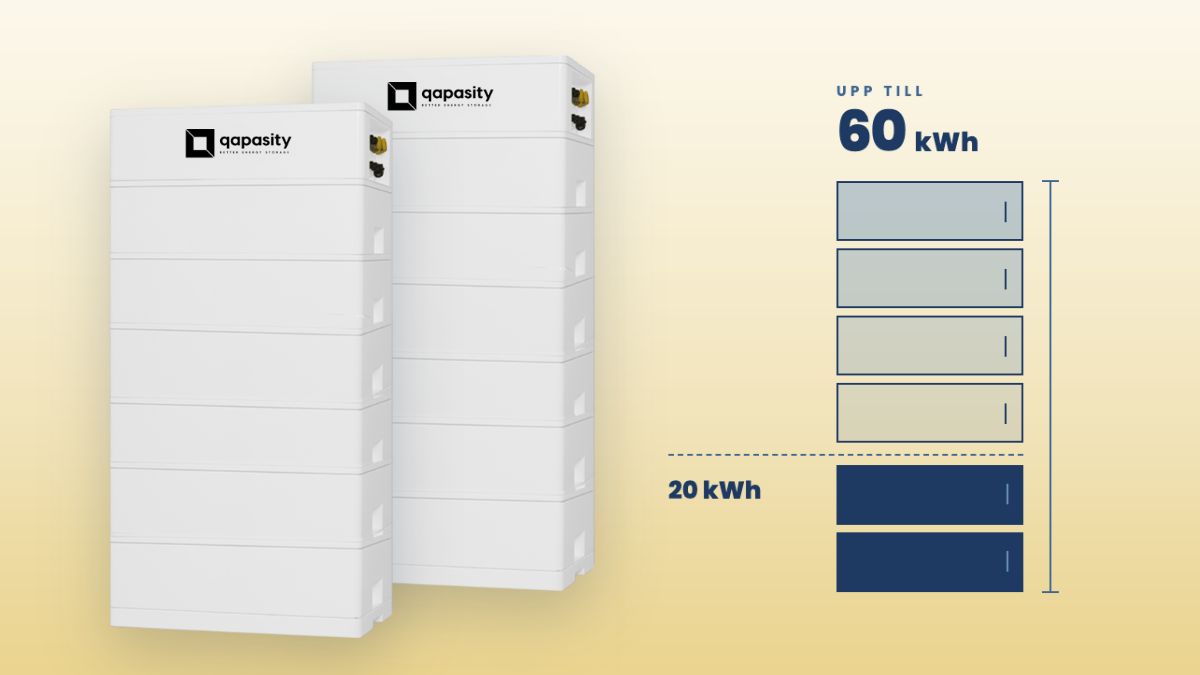
This is how a fire safety engineering design is carried out
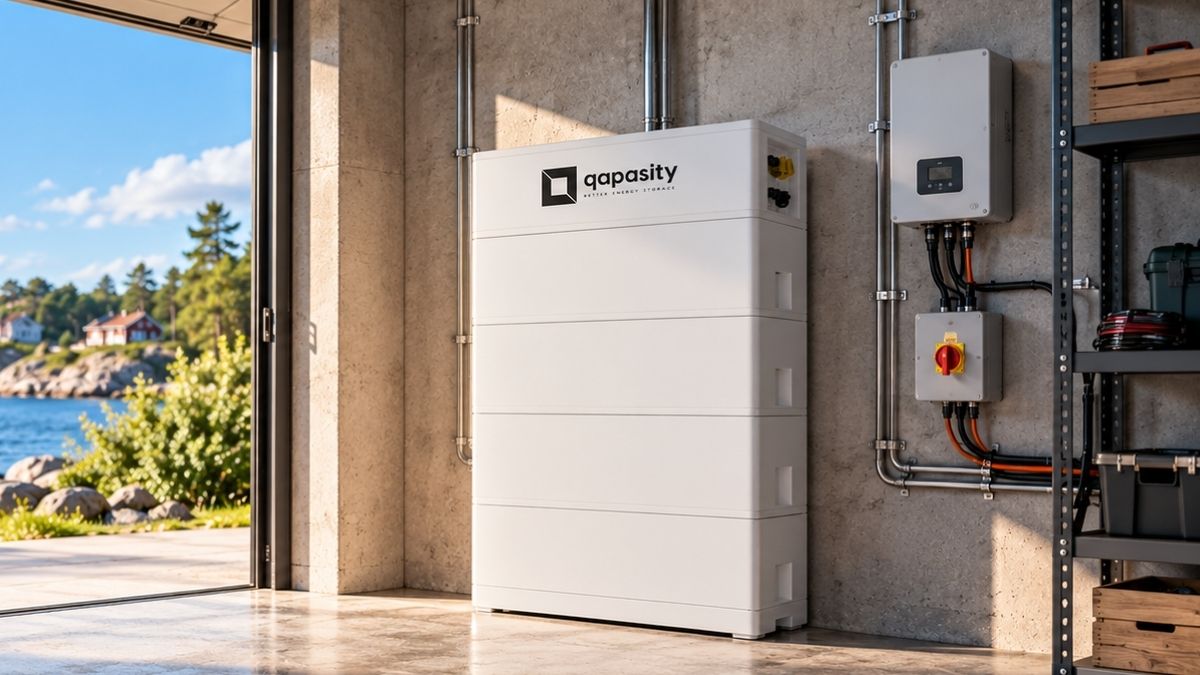
New rules for battery placement