

Solar energy systems with open architecture – the flexible energy solution of the future
Introduction and background
Solar energy has quickly become one of the most popular and effective solutions for producing sustainable energy. But as the technology develops, so too do the demands for flexibility, integration and future-proofing. A central concept in this development is open architecture – building systems in which the various components, such as inverters, batteries and energy management systems (EMS), can communicate with one another via open protocols. This creates entirely new opportunities for both installers and end users.
Apple vs Android – An analogy to understand openness
Imagine two smartphones: Apple and Android. Both offer high-quality hardware and software, but their philosophies on openness differ considerably. Apple is known for its closed ecosystem – everything is optimised to work together, but it is difficult to integrate with products from other manufacturers. Android, on the other hand, is built on openness. Users can choose their own hardware, customise the software and integrate third-party apps and accessories.
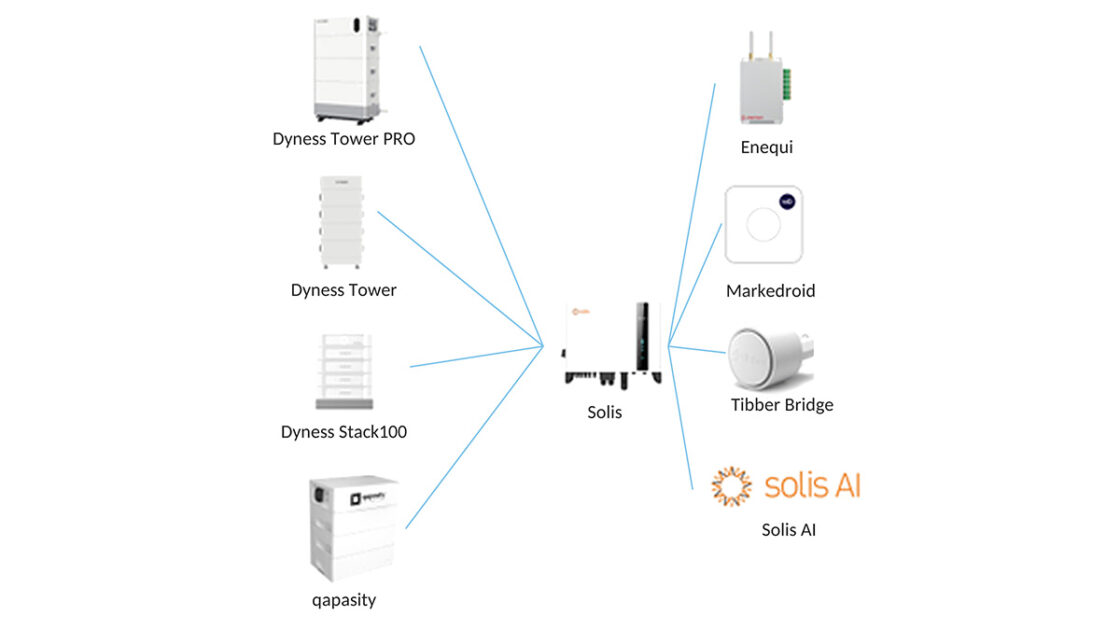
Translating this to solar energy systems, the inverter is equivalent to the phone, the battery to the accessories and the EMS to the apps. A closed system locks users into one specific supplier’s products and services. An open system makes it possible to combine different brands and technologies, and to adapt the solution to future needs.
Benefits of open architecture
Choosing open architecture for your solar energy system offers several key advantages:
Avoid vendor lock-in
With open protocols, you can freely choose and replace components without being tied to a specific supplier.
Future-proofing
Technology is developing rapidly. Open systems make it possible to integrate new innovations and solutions later on, without having to replace the entire system.
Flexibility and adaptability
Needs change over time. With open architecture, you can easily upgrade, expand or adapt your system to meet new requirements – for example, by adding more batteries, replacing the energy management system or integrating it with smart home solutions.
Greater competition and better prices
Openness encourages competition between suppliers, which often leads to better prices and faster innovation.
Integration with the energy market of the future
Open protocols make it easier to participate in new business models, such as energy sharing, flexibility markets and dynamic pricing.
What are the disadvantages of open architecture?
Complexity of integration
Combining products from different manufacturers often requires more technical knowledge and experience. It can be more difficult to get all the parts working seamlessly together, especially if there are no clear standards or if suppliers interpret the protocols differently.
Senergia’s solution: The products Senergia sells are always compatible with products from both manufacturers. This means that both manufacturers have clear handover boundaries and have specified how the protocols should be used.
Support and troubleshooting
When a system consists of components from several different suppliers, it can be difficult to know who is responsible for support if something does not work. Suppliers may sometimes blame each other, which can make troubleshooting more difficult and prolong the time it takes to find a solution.
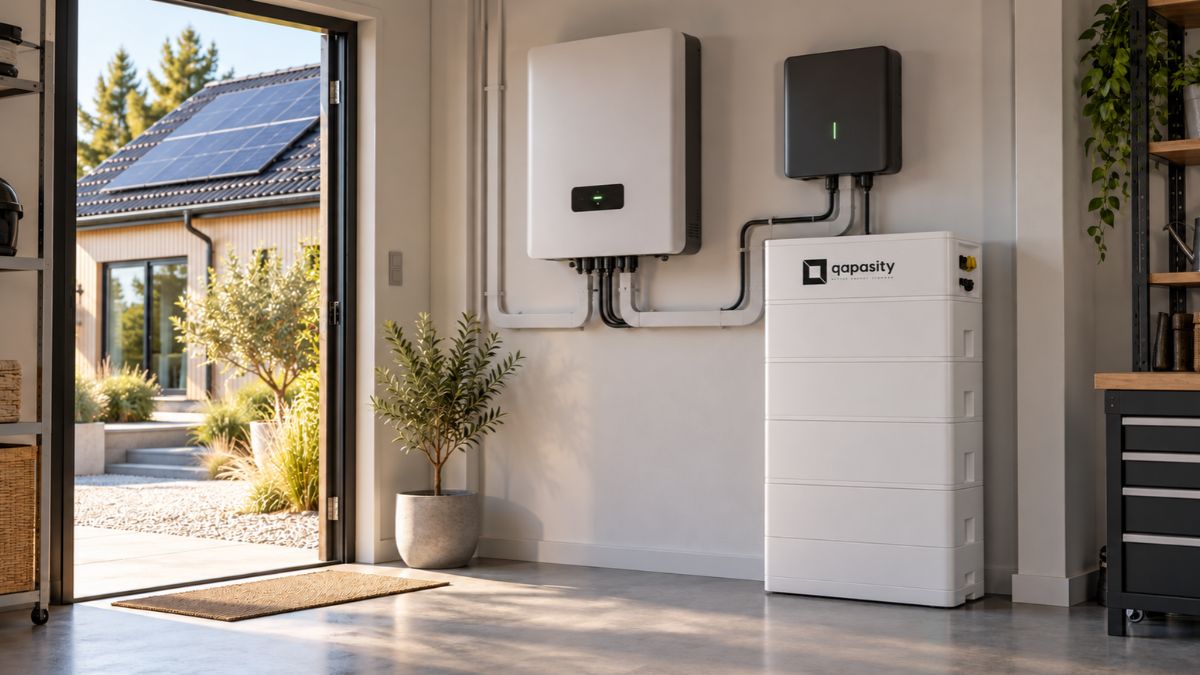
Senergia’s solution: For many of the solutions Senergia sells, it takes responsibility for their operation. One example is Ferroamp, where several batteries from Dyness and qapasity have been integrated. Senergia helps all its customers with support related to this integration. Senergia has a specific agreement with, for example, Ferroamp, on how we should handle compatibility, service and support, so you as an installer or end customer can feel confident in the solutions sold by Senergia.
Updates and compatibility
When a manufacturer updates its software or firmware, there is a risk that compatibility with other components may be affected. This can lead to unexpected problems or certain functions stopping working until a new update is released.
Senergia’s solution: You should be relatively cautious with software updates when using a particular integration. New software should always be verified by Senergia to ensure continued compatibility. All manufacturers always specify which software is required to guarantee compatibility.
Flexibility on the battery side
Being able to combine batteries with different functions can give your system different types and features that would otherwise not be possible. In short, you often pay for functionality you do not need. Examples of battery features you may want to consider
- Battery chemistry
Do you want NMC, LFP or perhaps semi-solid-state LFP? - Battery optimisers (DC/DC optimisers)
Are built-in DC/DC optimisers needed to control each battery module individually, or are there specific requirements for how the system can be expanded? - Built-in heating
Should the system have built-in heating? - IP rating
Will the battery be placed outdoors, and therefore require a certain IP rating?
Flexibility on the EMS side
There are many capable EMS providers on the Swedish market, and with an inverter offering good compatibility, end customers can consider several different solutions with different technical capabilities and features. Examples of EMS features to consider:
- VPP services (ancillary services and local flexibility)
Running ancillary services almost always requires external hardware from the aggregator/EMS provider. - Hardware costs and monthly fees
Different EMS providers offer different commercial packages. - Peak shaving
How should the system handle existing (or future) power tariffs? - EV charger control
Which EV charger and which electric vehicle should be integrated into the system? - Heat pump control
Which heat pump should be integrated into the system?
What does open architecture mean? An example with Solis
For Senergia’s customers, open architecture means they have access to an ecosystem where they can choose the best components for their needs. A concrete example is our Solis inverters. These support open communication protocols, making it possible to integrate with a wide range of battery brands and energy management systems on the market. Solis supports up to 60 different batteries, so you can choose anything from simpler, more affordable batteries to more advanced ones.
This means that, as a customer, you can start with a basic solution and then expand the system as your needs change – for example, by adding a new battery from another manufacturer or connecting an advanced energy management system to optimise energy consumption. Senergia actively tests and verifies compatibility between our products and solutions from other suppliers, so you can always feel confident that your system is both open and future-proof.
Summary and conclusion
Open architecture is the key to the solar energy systems of the future. By choosing solutions with open protocols, you as a customer gain maximum freedom, flexibility and the opportunity to benefit from technological developments. Senergia invests in products and solutions based on openness – so that you can create the energy system that suits your needs, today and tomorrow.
Would you like to know more about how to build an open, future-proof solar energy system? Contact us at Senergia – we’ll help you every step of the way!
Need help finding the right one?
We know it is not always easy to know which product or solution is best. Whether you have questions about our range, need guidance or would like help finding a solution that suits your specific needs, we are here for you. With our knowledge and experience, we will help you make the right choice.
Related posts
The grid challenge – How the solar energy systems of the future can contribute to a stronger electricity grid

Comparison of EMS solutions