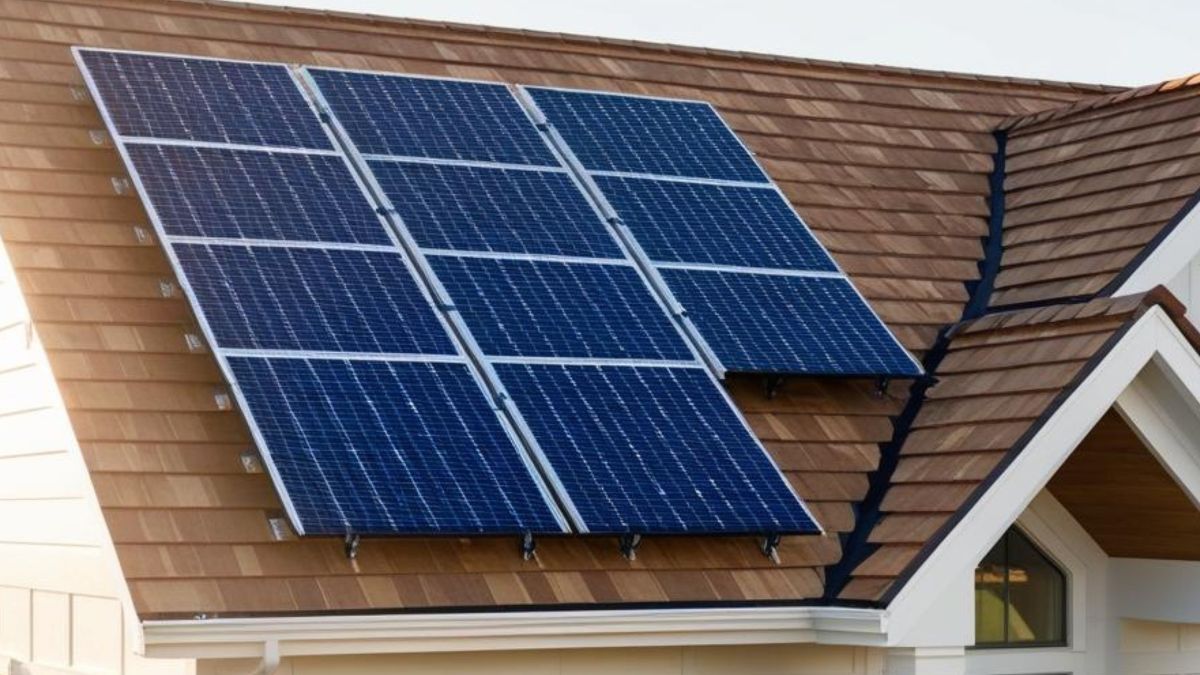




How does an EMS system work?
Introduction and background
The energy landscape is changing rapidly. With the growing share of solar panels, battery storage and the electrification of transport, new demands are being placed on how we manage and optimise our energy use. To maximise the benefits of self-generated energy while also contributing to a stable electricity grid, smart control is needed — this is where EMS (Energy Management System) comes in. EMS is the brain of the modern energy system, enabling both energy savings and greater flexibility.
What is an EMS system and how does it work?
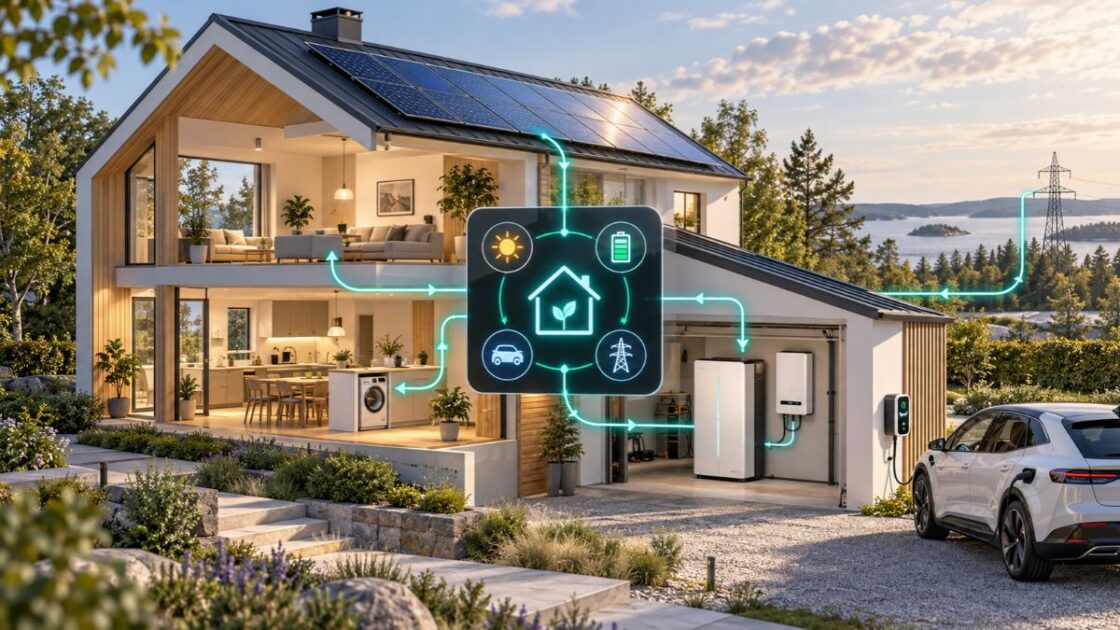
An EMS system is a digital control system that monitors, analyses and optimises energy flows in buildings, industries or energy systems. In practice, this means that the EMS collects data from various energy components – such as solar panels, batteries, electric vehicle chargers and heat pumps – and controls them to achieve desired goals, such as cost optimisation, reduced climate impact or greater energy self-sufficiency.
The inverter plays a central role in the system, converting direct current from solar panels and batteries into alternating current for use in the building or export to the electricity grid. The EMS system communicates with the inverter and determines when the battery should charge or discharge, when the electric vehicle charger should be activated or when the heat pump should run. By controlling these loads and energy sources, the EMS system can, for example:
- Store surplus electricity in the battery when the sun is shining brightly
- Use stored energy when electricity prices are high or during peak demand
- Connect the battery to a VPP, ancillary services, frequency response or local flexibility markets
- Schedule electric vehicle charging or heat pump operation for times of low demand or low electricity prices
- Prioritise self-consumption over exporting electricity to the grid
How autonomous an EMS system is and its limitations
A modern EMS system is largely autonomous—it makes its own decisions based on historical data and predictions, such as weather and electricity price forecasts. The system works like an autopilot: you, as the user, press “play” and let the EMS optimise energy flows without having to intervene manually. However, it is important to be aware that the AI and algorithms in the EMS cannot predict everything. For example, if you are planning a party with 20 guests on Sunday and will therefore have unusually high energy consumption, the system will not know about this unless you tell it. Like all algorithms and forecasts, the EMS will sometimes make less than optimal decisions, but it learns and adapts continuously to improve over time.
Choosing between maximising profit and minimising purchased energy
As a user of an EMS, you also need to choose which goal matters most: maximising financial profit or minimising the number of kilowatt-hours purchased from the electricity grid. These goals often conflict. Maximising profit means the system tries to buy electricity when it is cheap and sell it when it is expensive, which can result in more kWh passing through the electricity meter—but with greater financial profit at the end of the month. Minimising purchased energy instead means trying to use as much self-generated electricity as possible and avoid buying from the grid, even if this sometimes means missing out on the opportunity to sell electricity at a high price. It is therefore important to think about what matters most to you as a user and configure the EMS accordingly.
A deep dive into Senergia’s EMS system
Senergia offers a wide range of EMS solutions, including both manufacturer-specific and third-party systems, to meet different needs and integration requirements.
The manufacturer-specific EMS systems (e.g. SolisAI, FerroAI, SAJ Elekeeper) are closely integrated with the respective manufacturers’ inverters and batteries. They are often optimised for maximum compatibility and performance within their own ecosystem, providing a seamless user experience and easy installation. However, they are usually limited to controlling products from that particular manufacturer.
Third-party EMS systems (Markedroid, Enequi, Tibber), on the other hand, focus on broad compatibility and can integrate with inverters and batteries from several different manufacturers. They often offer advanced ancillary services, such as providing flexibility to the electricity grid or participating in various market services. This makes them particularly attractive to users who want maximum freedom to combine different hardware or participate in the energy market of the future.
Manufacturer-specific EMS systems
SolisAI:
SolisAI is Solis’s proprietary EMS solution, optimised for its inverters and batteries. The system offers advanced control of energy flows, including load control and integration with various energy components. Users have access to real-time data and can tailor control strategies to their own needs.
FerroAI:
FerroAI is Ferronordic’s EMS platform, focused on flexibility and integration with different types of hardware. The platform enables control of battery storage, solar panels and external loads such as EV chargers and heat pumps.
SAJ Elekeeper:
SAJ Elekeeper is SAJ’s EMS system, designed to provide maximum control over energy flows in a property. The system supports both local and cloud-based control and can be optimised for different use cases, such as peak shaving, self-consumption or grid balancing.
Third-party EMS systems
Markedroid:
Markedroid is an independent EMS system that can integrate with inverters and batteries from several different manufacturers. The system is particularly strong in dynamic load control and can connect to external data sources, such as electricity prices or weather forecasts, to optimise control.
Enequi:
Enequi offers a flexible EMS solution focused on both residential and commercial properties. The system can control battery storage, solar panels and different types of loads, and supports integration with smart electricity grids, heat pump and EV control, as well as third-party products through its Enequi Nodes (Bluetooth-controlled relays).
Tibber:
Tibber is a digital electricity trading platform that also offers EMS functionality through its app and smart hardware. Tibber can control EV chargers, heat pumps and other loads based on real-time prices and user preferences, making it easy for end customers to optimise their energy use. Tibber has an app enjoyed by millions of users and operates Europe’s largest VPP platform
The benefits of being able to customise your EMS
One of the biggest advantages of today’s EMS systems is the ability to tailor the controls to your own needs and goals. Whether you want to maximise the self-consumption of solar energy, minimise electricity costs, participate in ancillary services or future-proof your installation, the EMS can be configured to suit your particular situation.
It is also important to understand that the EMS often becomes the end customer’s primary interface with the energy system — it is through the EMS app or portal that users gain insight into profitability and energy flows, and can adjust their own settings. A well-chosen EMS offers not only technical benefits, but also a better user experience and greater control over your own energy use.
Here is a paragraph addressing the paradox for the installer and wholesaler, as well as Senergia’s focus and the parallel with the computer industry:
The paradox: From hardware to software and Senergia’s focus
The development of EMS systems is creating an interesting paradox for both installers and wholesalers such as Senergia. Traditionally, the hardware – inverters and batteries – has accounted for the largest purchasing costs and been at the centre of the customer’s decision. But as the overall profitability of a solar and battery system increasingly depends on how the EMS controls the installation, the hardware is becoming less important to the end customer. Instead, customers are asking for specific features and flexibility in their EMS system, rather than a particular inverter or battery brand. This means that fewer customers will ask for specific brands in the future – they want a system that delivers the right functionality and profitability.
Against this background, Senergia focuses on choosing hardware that is compatible with different EMS systems, comes with good warranties and is supplied by providers with a proven track record. At the same time, less tangible aspects such as support, rapid fault resolution and technical advice are becoming increasingly important to installers, as the focus shifts from hardware to software and system integration. This development strongly echoes the computer industry, where discussions today are almost exclusively about software, AI and cloud services – while hardware and processors are rarely at the centre of attention. For Senergia, this means investing in comprehensive solutions where robust hardware and smart software work together to create the greatest possible value for the end customer.
Summary and conclusion
EMS systems are a crucial component in future-proofing the energy system, both at individual and societal level. By automating and optimising energy flows, we can reduce costs, minimise our climate impact and create greater flexibility in the electricity grid. Senergia continuously evaluates, integrates and develops EMS solutions that meet the requirements of the market and customers – whether they are supplier-specific systems or open platforms.
As the energy market becomes increasingly dynamic and decentralised, the role of EMS systems will only grow. The next step is integration with virtual power plants, demand-side flexibility and AI-based control – and Senergia is helping to lead the way.
Would you like to find out more about EMS systems or discuss which solution is right for your business? Contact us at Senergia for advice and tailored proposals!
Need help finding the right option?
We know it’s not always easy to know which product or solution is the best fit. Whether you have questions about our range, need guidance or would like help finding a solution tailored to your needs, we’re here for you. With our knowledge and experience, we’ll help you make the right choice.
Related posts

The Salmon Project
Solar energy systems with open architecture – the flexible energy solution of the future