




LFP vs Semi Solid State
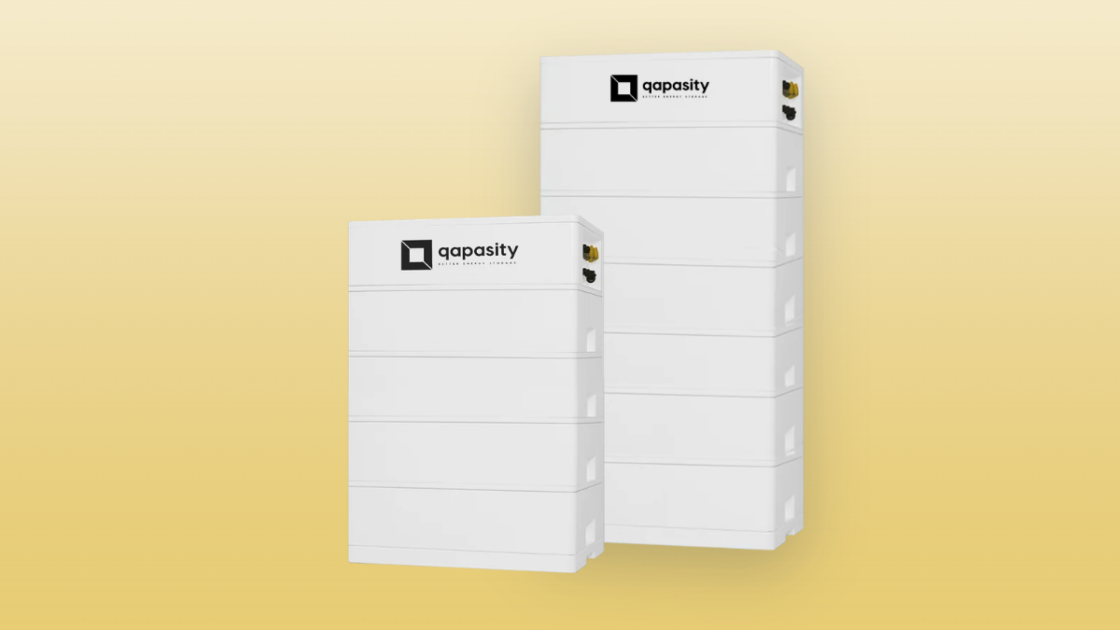
LFP vs Semi-Solid State
In this post, we’ll delve into the world of lithium-ion batteries and compare two of the most current technologies: traditional LFP batteries and the new generation of semi-solid-state LFP.
Historically, both electric vehicles and stationary energy storage systems have primarily used NMC batteries (nickel-manganese-cobalt), largely thanks to their high energy density. But in recent years, the market has increasingly shifted towards LFP batteries (lithium iron phosphate). This shift is due to several factors: LFP is not only cheaper to manufacture, but also significantly safer than NMC, and it avoids the use of cobalt—a material that presents both ethical and cost-related challenges.
Increased safety is one of the main reasons for LFP’s success, but development doesn’t stop there. With semi-solid-state LFP, we take another step towards even greater safety, although LFP is already one of the safest battery chemistries on the market today. In this post, we’ll take a closer look at how these technologies differ, and what that means for the future of electric vehicles and energy storage systems.
How do LFP batteries work?
LFP batteries, or lithium iron phosphate batteries, are a type of lithium-ion battery that has become popular thanks to its safety, stability and long lifespan. In an LFP battery, the cathode is made of lithium iron phosphate (LiFePO₄), a material that is less prone to overheating or catching fire than other lithium-ion technologies. The anode is usually made of graphite, a carbon material that can effectively store and release lithium ions during charging and discharging.
Between the cathode and anode is a separator – usually a thin polymer film, such as polyethylene or polypropylene – which prevents the electrodes from coming into direct contact with each other and causing a short circuit, while still allowing lithium ions to pass through. The electrolyte in LFP batteries is usually a liquid solution of lithium salt (often LiPF₆) dissolved in organic carbonate solvents such as ethyl carbonate or dimethyl carbonate. The electrolyte enables ion transport between the cathode and anode during battery operation.
Thanks to this construction, LFP batteries are very stable, have a long cycle life and can withstand deep discharges without being damaged. They have a slightly lower energy density than some other lithium-ion batteries, but their robustness and safety make them a popular choice for electric vehicles, stationary energy storage and other applications where reliability is essential.
The difference between solid-state and semi-solid-state
Solid-state and semi-solid-state batteries differ primarily in how they handle the electrolyte—the part that transports ions between the battery’s poles. Semi-solid-state batteries use a mixture of solid and liquid electrolytes, providing better safety and slightly higher energy density than traditional lithium-ion batteries, but they still rely on liquid components that can limit lifespan and performance.
Solid-state batteries instead use an entirely solid electrolyte, which eliminates the risk of leakage and fire, and enables the use of new anode materials such as lithium metal. This can provide significantly higher energy density and faster charging, while making the battery more compact and robust. The challenge is finding materials and manufacturing methods that work at scale and at a reasonable cost.
Today, we see semi-solid-state batteries as a first step towards the market, while solid-state batteries are still in development. The vision is that solid-state batteries will one day revolutionise electric vehicles and energy storage—but it will take time before the technology is mature enough for mass production. Until then, semi-solid-state batteries are an important bridge to the future.
Increased strength in BC cells
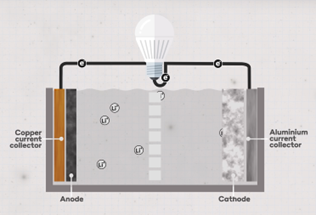
Before we take a deep dive into what a semi-solid-state battery is, let’s take a look at how a traditional lithium-ion battery works. Such a battery essentially consists of four parts: the cathode (the positive side), the anode (the negative side), the electrolyte (the conductor between positive and negative) and a separator.
A LiFePO4 battery, LFP or lithium iron phosphate, consists of the following materials:
Cathode: Consists of lithium iron phosphate (LiFePO4). This material gives the battery its name and is known for its stability and safety.
Anode: Usually made of graphite. The graphite acts as a place where lithium ions can be stored during the charging cycle.
Electrolyte: Consists of organic solvents with a lithium salt, such as lithium hexafluorophosphate (LiPF6), which enables ion transport between the cathode and the anode
Separator: In an LFP battery, the cathode and anode are separated by a separator. The separator is a permeable membrane that allows ion transport but prevents direct electrical contact between the cathode and the anode. This ensures that only ions can pass through the electrolyte while electrons flow through the external circuit
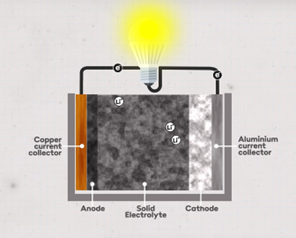
Semi-solid state is a battery technology that combines elements of both traditional and solid-state batteries. This technology uses a partially solid electrolyte, offering improved safety compared with liquid electrolytes. Semi-solid-state batteries have a higher energy density and perform better in cold and hot environments. If we look at the cathode, anode and electrolyte (but no separator) in the same way, we can conclude that the following applies to semi-solid-state technology:
- Cathode: Still consists of lithium iron phosphate (LiFePO4), but may be integrated with a solid electrolyte to improve stability and safety.
- Anode: Can still use graphite, but there is potential to use other materials that can be integrated with solid electrolytes to improve energy density and cycle life.
- Electrolyte: Instead of a liquid electrolyte, a solid or semi-solid electrolyte is used. This may be a polymer or another solid substance that allows ion transport while reducing the risk of leakage and increasing safety.
- Separator: In semi-solid-state batteries, the separator may be part of the solid electrolyte, reducing the need for a separate membrane structure and contributing to a more compact and safer design.
These changes are intended to improve safety, reduce the risk of fire, and increase the battery’s service life and energy density. This is because the electrolyte occupies less volume in its semi-solid form, and a smaller quantity of electrolyte means less flammable material in the battery, as well as a reduced risk of short circuits thanks to its high viscosity (its ability to flow slowly).
If you’d like to learn more about semi-solid-state technology, there’s a video that gives a good overview of how the technology works. It’s by YouTuber Dave Borlace, who runs the channel “Just have a think”. In his video, he describes the technology from his own perspective, including its pros and cons: Would you be OK with a Semi Solid State?
Summary: Semi-Solid-State – The Next Generation of Energy Storage
Semi-solid-state technology represents the next step in the development of lithium-ion batteries and offers several clear advantages over traditional LFP batteries:
- Increased safety: The partially solid electrolyte reduces the risk of fire and leakage, making the battery even safer than already robust LFP batteries.
- Higher energy density: Semi-solid-state technology makes it possible to store more energy in the same volume, providing longer range for electric vehicles and more compact energy storage.
- Better performance in extreme temperatures: The technology operates reliably in both cold and hot conditions, expanding the battery's range of applications.
- Longer lifespan: The solid electrolyte reduces the degradation of the battery's internal materials, allowing for more charge cycles and a longer service life.
In summary, semi-solid-state technology is an important step towards the energy storage systems of the future – a technology that combines safety, performance and durability, and will play a central role in the next generation of electric vehicles and stationary energy storage systems.
Sources:
Quantum Scape – What are Solid-State Lithium-Metal Batteries? – https://www.youtube.com/watch?v=azACL3lLMo8
Undecided – What are Solid-State Lithium-Metal Batteries? – https://www.youtube.com/watch?v=gG2_5GMWf1E
Need help finding the right option?
We know it’s not always easy to know which product or solution is best suited to you. Whether you have questions about our range, need guidance or would like help finding a solution that meets your specific needs, we’re here for you. With our knowledge and experience, we’ll help you make the right choice.
Related posts
This is how a fire safety engineering design is carried out

The Salmon Project